Legal Procedure to Register a Construction Company in India
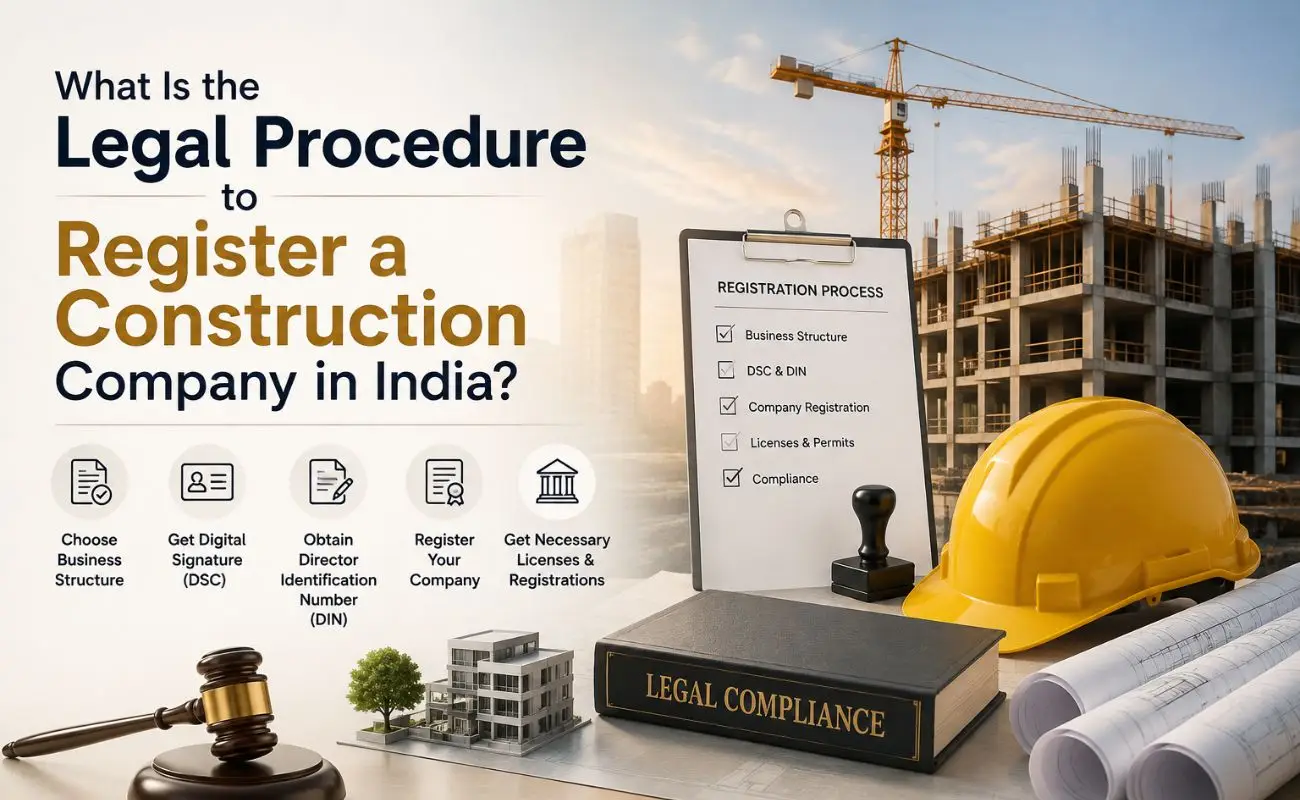
Step-by-Step Guide to Registering a Construction Company in India
India's construction sector continues to expand with increasing investments in residential developments, commercial infrastructure, industrial projects, and public works. As opportunities grow, many entrepreneurs are exploring the possibility of starting their own Construction Company in India. However, before taking on projects, hiring workers, or signing contracts, it is essential to establish the business legally.
A properly registered construction company not only gains legal recognition but also earns greater trust from clients, suppliers, financial institutions, and government agencies. Businesses operating within the legal framework are better positioned to secure contracts, obtain approvals, and expand sustainably. Organizations involved in modern construction practices, such as Webuild LLP, understand the importance of structured business operations and regulatory compliance in building long-term success.
What Is Construction Company Registration in India?
Construction company registration is the legal process of establishing a construction business under a recognized business structure in India. Registration gives the company a distinct legal identity and allows it to operate in accordance with Indian laws and regulations.
Depending on business goals, entrepreneurs can register as:
- Private Limited Company
- Limited Liability Partnership (LLP)
- One Person Company (OPC)
- Partnership Firm
- Sole Proprietorship
Among these, Private Limited Companies and LLPs are often preferred for construction businesses because they provide credibility and limited liability protection.
Legal registration helps a construction business:
- Enter into contracts legally
- Open business bank accounts
- Apply for government tenders
- Obtain necessary licenses
- Build a professional reputation
What Are the Benefits of Legally Registering a Construction Company?
Legal registration provides several advantages that can influence the growth and sustainability of a construction business.
Improved Business Credibility
Clients generally prefer working with registered companies because they appear more reliable and accountable.
Access to Larger Projects
Many corporate and government projects require contractors to operate through registered entities.
Financial Benefits
Registered companies can:
- Access business loans
- Attract investors
- Apply for project financing
- Build creditworthiness
Legal Protection
The right business structure protects owners from certain financial and legal liabilities.
Better Market Position
A registered Construction Company in India often gains a competitive edge over unregistered operators.
Why Should You Register a Construction Company in India?
The construction industry involves significant financial transactions, contractual obligations, workforce management, and regulatory requirements. Operating without proper registration can create legal and financial risks.
Registration helps businesses:
- Comply with Indian laws
- Participate in tenders
- Issue tax invoices
- Build trust among stakeholders
- Secure insurance coverage
- Establish professional credibility
As the construction sector becomes increasingly organized, registration is no longer optional for businesses aiming for long-term growth.
Who Is Eligible to Register a Construction Company?
Almost any Indian citizen who meets basic legal requirements can register a construction company.
Eligible applicants include:
- Individual entrepreneurs
- Engineers
- Architects
- Contractors
- Real estate professionals
- Business investors
- Partnerships and groups of promoters
Basic requirements generally include:
- Valid identity proof
- Address proof
- PAN card
- Registered office address
- Compliance with applicable laws
Foreign investors may also participate through permitted business structures subject to regulatory approvals.
Where Should You Register Your Construction Company in India?
Construction companies are primarily registered through the Ministry of Corporate Affairs (MCA).
Key registration authorities may include:
Ministry of Corporate Affairs (MCA)
Responsible for company incorporation and legal entity formation.
Goods and Services Tax (GST) Department
Required for GST registration when applicable.
Local Municipal Authorities
May issue local business permits and approvals.
Labour Departments
Required for labor-related registrations.
Professional Tax Authorities
Applicable in certain states.
The specific registrations may vary depending on the scale and location of operations.
When Is the Right Time to Register a Construction Company?
The ideal time to register a construction company is before beginning commercial operations.
You should complete registration before:
- Accepting major contracts
- Hiring employees
- Purchasing business assets
- Applying for project approvals
- Participating in tenders
- Raising investment capital
Delaying registration can lead to compliance challenges and limit business growth.
How Do You Register a Construction Company in India Step by Step?
The registration process involves several important stages.
Step 1: Choose a Business Structure
Select a suitable structure based on:
- Business size
- Liability considerations
- Ownership plans
- Funding requirements
Most growing construction firms choose:
- LLP
- Private Limited Company
Step 2: Obtain Digital Signature Certificates (DSC)
Directors or designated partners must obtain Digital Signature Certificates to file documents electronically.
Step 3: Apply for Director Identification Number (DIN)
Individuals serving as directors must obtain a DIN through MCA procedures.
Step 4: Reserve the Company Name
Choose a unique business name and submit it for approval.
A strong construction company name should:
- Reflect professionalism
- Be easy to remember
- Comply with MCA naming guidelines
Step 5: Prepare Incorporation Documents
Draft and submit required incorporation documents.
These typically include:
- Memorandum of Association (MOA)
- Articles of Association (AOA)
- Identity proofs
- Address proofs
Step 6: File Incorporation Application
Submit incorporation documents through the MCA portal.
After verification, authorities issue:
- Certificate of Incorporation
- Corporate Identification Number (CIN)
Step 7: Apply for PAN and TAN
The company must obtain:
- Permanent Account Number (PAN)
- Tax Deduction and Collection Account Number (TAN)
Step 8: Open a Business Bank Account
A dedicated business account is essential for managing company finances.
Step 9: Register for GST
GST registration may be mandatory depending on turnover and business activities.
Step 10: Obtain Additional Industry-Specific Registrations
Depending on operations, additional registrations may be required.
Examples include:
- Contractor licenses
- Labour registrations
- Environmental clearances
- Professional tax registration
What Documents Are Required to Register a Construction Company?
The exact documents vary according to business structure, but common requirements include:
Identity Documents
- PAN Card
- Aadhaar Card
- Passport (if applicable)
- Voter ID
- Driving License
Address Proof
- Utility bills
- Bank statements
- Passport
Registered Office Documents
- Rental agreement
- Lease deed
- Property ownership documents
- NOC from property owner
Business Formation Documents
- MOA
- AOA
- LLP Agreement (for LLPs)
Director and Partner Documents
- Photographs
- Contact details
- Email addresses
- Mobile numbers
Preparing documents accurately can significantly speed up the registration process.
What Is the Cost of Registering a Construction Company in India?
The cost of registration depends on multiple factors.
These include:
- Type of company
- Professional service fees
- Government filing fees
- Compliance requirements
- State-specific registrations
Typical expenses may involve:
- Name reservation fees
- Incorporation charges
- Digital signature costs
- Professional consultation fees
- GST registration support
The overall investment can range from a few thousand rupees for basic registrations to significantly higher amounts for larger and more complex business structures.
Entrepreneurs should also budget for ongoing compliance expenses after incorporation.
What Legal Compliance Must Be Followed After Registration?
Registration is only the beginning. Ongoing compliance is necessary for maintaining legal standing.
Important compliance requirements may include:
GST Compliance
- Filing GST returns
- Maintaining tax records
- Generating compliant invoices
Income Tax Compliance
- Filing annual returns
- Maintaining financial records
MCA Compliance
Companies must file:
- Annual returns
- Financial statements
- Director-related disclosures
Labour Law Compliance
Construction businesses often need to comply with:
- Employee welfare regulations
- Wage laws
- Safety requirements
Accounting and Audit Requirements
Proper bookkeeping and auditing help maintain transparency and legal compliance.
What Common Mistakes Should Be Avoided During Registration?
Many new entrepreneurs face delays due to avoidable errors.
Common mistakes include:
- Choosing an unsuitable business structure
- Selecting a non-compliant company name
- Submitting incomplete documents
- Ignoring GST requirements
- Using incorrect registered office details
- Overlooking local permits
- Failing to seek professional guidance
Avoiding these issues can save time, money, and administrative complications.
What Are the Best Tips for Starting a Successful Construction Company?
Registration alone does not guarantee success. Long-term growth requires strategic planning and professional execution.
Consider these practical recommendations:
Build a Strong Business Plan
Define:
- Target market
- Services offered
- Growth strategy
- Financial goals
Focus on Compliance
Maintain proper documentation and regulatory compliance from day one.
Invest in Skilled Professionals
Experienced engineers, project managers, and site supervisors contribute significantly to project quality.
Prioritize Safety Standards
Construction safety improves productivity, protects workers, and enhances reputation.
Use Modern Technology
Leverage:
- Project management software
- Construction planning tools
- Cost estimation platforms
- Quality control systems
Develop Strong Client Relationships
Trust and transparency often lead to repeat business and referrals.
Maintain Financial Discipline
Careful budgeting and cash flow management are critical in the construction sector.
Frequently Asked Questions
How long does it take to register a construction company in India?
Typically, the incorporation process can take anywhere from a few days to a few weeks, depending on document verification and regulatory approvals.
Is GST registration mandatory for a construction company?
GST registration may be mandatory based on turnover limits and the nature of construction services provided.
Which business structure is best for a construction company?
Private Limited Companies and LLPs are commonly preferred due to limited liability protection and business credibility.
Can a single person start a construction company in India?
Yes. A sole proprietorship or One Person Company (OPC) allows an individual entrepreneur to establish a construction business.
Do construction companies need additional licenses after registration?
Yes. Depending on project type and location, additional permits, contractor licenses, labour registrations, and environmental approvals may be required.
Conclusion
Registering a Construction Company in India is a crucial step toward building a legally compliant and professionally recognized business. From selecting the right business structure and preparing documentation to obtaining registrations and maintaining compliance, every stage plays an important role in establishing a strong foundation.
Entrepreneurs who follow the correct legal procedures position themselves for better growth opportunities, stronger client relationships, and greater operational stability. As the Indian construction industry continues to evolve, professionally managed companies that prioritize compliance, quality, and long-term planning are likely to achieve sustainable success. Industry-focused organizations such as Webuild LLP reflect how structured processes, professional standards, and responsible construction practices contribute to creating reliable and future-ready construction businesses across India.
Recent Posts
October 08, 2026

October 02, 2026
Exploring The Best House Construction Packages in Kerala

September 29, 2026
10 Trusted Real Estate Agencies in Trivandrum for Property Buyers

September 21, 2026
Get In Touch